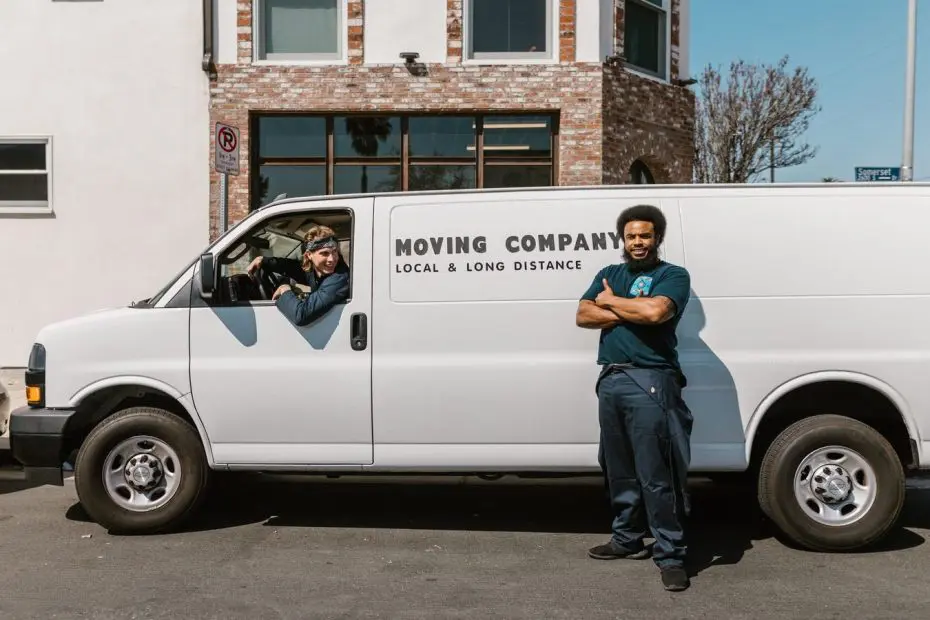
Moving company marketing for a local or regional mover comes down to being found where people search and calling them back first. Build city and route pages, keep a full Google Business Profile, earn reviews after every move, run Google Ads only in the areas you serve, follow up every quote request within minutes through a CRM, plan around the summer and end-of-month peaks, and build referral partners with realtors and apartment managers.
Moving company marketing works when people planning a move find you on Google, trust your reviews and hear back from you before they hear from anyone else. For a local or regional mover, that means pages for the cities and routes you run, a complete Google Business Profile, a steady flow of reviews, tightly targeted Google Ads, a quote form that feeds a CRM, a plan for the busy season, and referral partners who send you moves.
Each section below covers one of those pieces and the steps to set it up. Most movers already have parts of it in place. The gaps are usually in follow-up and tracking, because a quote request that waits until the next morning has often booked with someone else by then.
City and route pages
Pages for the cities you serve
Someone moving across town searches for movers in their city, and Google tends to show pages that match that city. Build a page for each city you want work in, starting with the three that bring you the most revenue. Write each from real moves there: the kinds of homes and buildings you move out of, how long a typical move takes, and photos of your crew on jobs in that city. Our post on moving company city pages covers how to keep each one different from the next.
Pages for the routes you run often
Regional movers get searches like “movers from Denver to Phoenix.” Pull your move records, find the routes you run most often, and give each one a page. Cover how the move is scheduled, how long the drive takes, how the crew handles loading and delivery days, and what the customer needs to have ready. A route page answers a question no city page can, and few movers write them.
Google Business Profile
Set the primary category to Moving company and add secondary categories only for services you offer, such as moving and storage service or packing service. List your services, set your service area to the cities you want moves from, and keep your hours accurate. Use your real business address. Profiles at fake or virtual addresses get suspended, and a suspended profile disappears from the map until the appeal goes through.
Upload photos each week: the crew wrapping furniture, a loaded truck, a finished delivery. People are deciding who gets to handle everything they own, and photos of real crews in branded shirts do more for that decision than stock images.
Reviews drive moving bookings
Moving is a review-driven purchase. The customer is handing their furniture, their family photos and their move date to strangers, so they read reviews closely and they read the bad ones first. Ask for a review the same day the move finishes, by text, with a direct link to your Google review form. Have the crew lead mention it before leaving so the request comes from a person the customer met.
Reply to every review. On positive ones, name the crew and the type of move. On negative ones, say what happened and how you fixed it, in plain words, and give a phone number. A reader planning a move learns more from how you handle a scratched dresser than from twenty five-star reviews with no replies.
Google Ads with tight geography
Target where the move starts
Ads are the part of moving company marketing you can turn up or down in a day, which makes them useful for filling open dates. Most local movers want moves that start in their service area. Set your location targeting to the zip codes or radius you serve, and set it to people in those locations, so a search from three states away does not cost you a click. Run local moves and long-distance moves as separate campaigns, each sending clicks to its own page with a quote form.
Cut the clicks that never book
Add negative keywords for searches that will not turn into a booked move: truck rental, moving boxes, moving jobs, DIY, pods and containers if you do not offer them, and “cheap” if you do not compete on price. Check the search terms report every week during the first month and add new negatives as you see them. Schedule ads for the hours someone can answer the phone or respond to the form.
Quote form and fast follow-up through a CRM
Keep the quote form short
Ask for the move date, the starting zip, the destination zip, the home size and a phone number. Each extra field gives people a reason to quit the form. You can collect inventory details on the phone or during an in-home or video survey.
Follow up within minutes
People planning a move often request three or four quotes in one evening, and the first mover to call back has the best chance to book. Connect the form to a CRM so each new request sends an instant text confirming you got it, then alerts your office to call within five minutes. Track every quote through pipeline stages: new request, survey scheduled, estimate sent, booked and lost. Anyone sitting in estimate sent gets a text after two days and a call after four. Our post on what to set up first in GoHighLevel walks through the pipeline and follow-up settings.
Seasonality in moving company marketing
Moves pile up in summer, on weekends and at the end of each month, when leases turn over. Plan your moving company marketing around those peaks.
- In late winter and spring, raise your ad budgets and publish new pages, because people booking summer moves start searching weeks ahead.
- In peak summer, when the calendar is full, cut ad spend on the dates you cannot fill and spend that time getting reviews from every move.
- Mid-month and midweek dates are easier to fill. Mention open dates in your follow-up texts and ads during the quieter weeks.
- In the slow months, push the moves that do not follow the school calendar, such as office moves, senior moves and moves into storage.
Partnerships with realtors and apartment managers
Referrals are the part of moving company marketing that keeps sending work in the slow months, because agents and property managers have people moving all year. Realtors meet people weeks before a move date. Visit the agents and brokerages in your best cities, leave cards with a call tracking number used only for realtor referrals, and offer to be the mover they recommend to buyers and sellers. Follow up after each referred move with a short note on how it went, so the agent knows their name was safe with you.
Apartment managers see move-outs and move-ins every month. Ask to leave flyers in the leasing office and to be listed on the move-in packet, with a separate tracking number for each property. In your CRM, add a referral source field to every booked move so you can see which agents and properties send work and which ones to visit again.
A worked example from quote to booking
Say a mover gets 50 quote requests a month in May, and the office calls them back the next morning. Say 10 of them book. The owner connects the form to a CRM, turns on the instant text and the five-minute call alert, and adds the two-day and four-day follow-ups for estimates. In June, with the same ad budget, say 50 requests come in again and 16 book. The ads did not change, so the six extra moves came from calling back first and following up. These numbers are made up for the example, and yours will come from your own CRM.
Where to start with moving company marketing
Start with follow-up speed, because it improves the result of every other channel you already pay for. Then build your first three city pages and set up review requests after every move. If you want the pages, ads and CRM set up and tracked for you, see how we handle moving company SEO and ads, part of our contractor SEO work for home service companies, or send the audit form below.
Want this handled for you?
We build and manage this for home service companies and report on calls, lead forms and cost to acquire a customer.
See the serviceRequest a free audit
We review your site, profile and ads and send back what we find, then call at the time you pick.