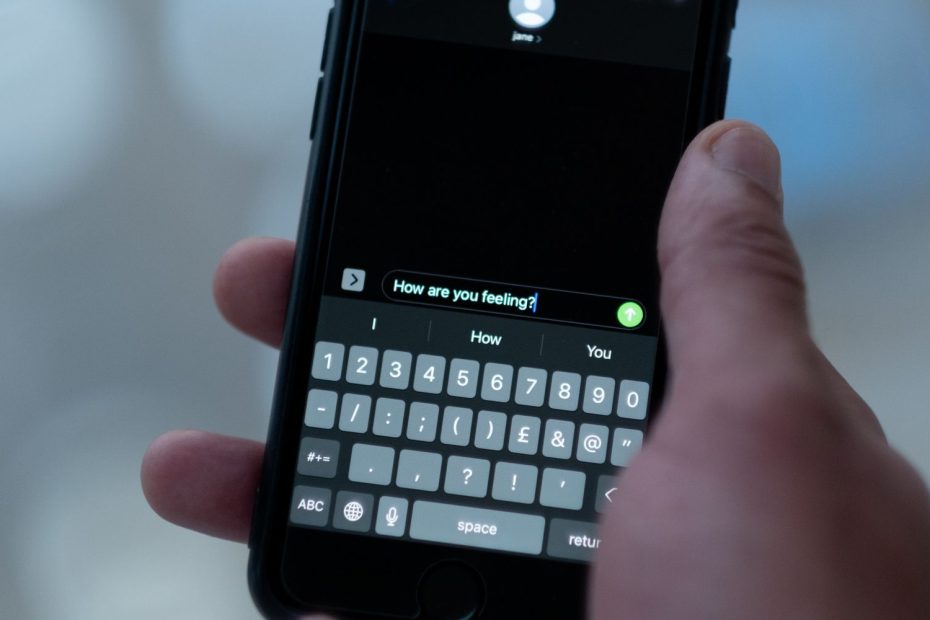
Missed call text back sends a text from your business number within seconds of a call you did not answer, so the caller can reply while the problem is still fresh. The first text should name your company and ask one easy question, and one person has to own the replies.
Someone with a leaking water heater does not leave a voicemail and wait. They call the next company on the list. Missed call text back is the automation that gives you a chance to keep them. It sends a text to the caller within seconds of a call you did not answer, from the same number they dialed, so it looks like a normal reply from your company. If the customer answers, the conversation lands in a shared inbox and on your phone, and someone on your team picks it up. For a contractor who spends the day on roofs, in crawl spaces and under sinks, it turns a lost call into an open conversation while the phone is still in the homeowner’s hand.
The sequence behind missed call text back
In HighLevel, the platform we build on, it runs like this. A customer dials your business number, usually a tracking number tied to a specific ad, listing or website. The call forwards to your phone, rings for a set number of seconds, and nobody answers, or it goes to voicemail, or it is declined. HighLevel logs the call as missed and checks a few rules: if the number can receive texts, if you spoke with this person in the last day, and if the call came inside business hours.
A call that passes those checks gets your first text within seconds. A reply goes into the conversation inbox, and the LeadConnector app pushes a notification to the phones you chose. The contact is created in your pipeline at the new lead stage, tagged with the source of the call. When someone on your team replies, the thread continues in the same place and the contact moves to contacted. We set up the checks carefully, because a text that goes to the wrong number does more damage than no text.
What the first text should say
Write the first text to get a reply and nothing else. Name your company, acknowledge the missed call and ask one easy question. A question answered in a few words beats an invitation to call back, because calling back is the step that costs the customer effort.
Here is a version for business hours.
Hi, this is [Company Name]. Sorry we missed your call. We are on a job right now. What do you need help with? Reply here and we will get back to you shortly.
Here is a version for after hours.
Hi, this is [Company Name]. You called after we closed. Tell us what is going on and the best time to reach you, and we will reply by 8 a.m. on the next business day. If this is an emergency, call [On-Call Number].
Leave out the link, the coupon and the description of your services. A plain text from a person gets answered more often than a promotion. If you want a compliance line such as an opt-out instruction, we add it where it does not bury the question.
The question changes by trade. A roofer might ask if the customer needs a repair or a replacement, a mover might ask for the date, and a plumber might ask what is leaking. We write it with you so the answer lets your office prepare the quote.
What to do with the reply
Automation sends the text, and then a person has to answer. That handoff is where setups tend to fail. Decide in advance who owns the inbox, and aim for a human response within a few minutes during business hours. In a small company that is usually the office manager or the owner. If the notification goes to four phones, each person assumes someone else has it.
When the customer replies, answer with a specific next step instead of a general greeting. If they describe a problem, say when you can look at it. If you need a photo, ask for one by text. If a call would be faster, ask for a time. Move the contact to contacted so the pipeline reflects reality and add a note with what the job is. When you send a quote, move the contact to quoted, which starts the quote follow-up sequence we describe on our CRM for contractors page.
How it fits with an answering service
An answering service and missed call text back cover different gaps. A live service picks up during the hours you pay for, takes a message and passes it on. Text back catches what still slips through: overflow when the service is busy, calls outside its hours and calls to a number it does not cover. Some companies route calls to the service first and let text back handle whatever reaches voicemail.
With no answering service, text back covers missed calls while nobody is awake. Its limit is that it starts a text conversation and cannot take a call. A customer with an emergency in the middle of the night may want a live voice, which is why the after-hours text above gives them an emergency number.
Three mistakes that waste the feature
The most common is texting numbers that were never leads. Spam calls, robocalls and landlines all produce missed calls. A setup that texts every one of them sends messages to numbers that cannot receive them or belong to someone with no interest in your work. Check that the number is a mobile line, skip numbers you already know, flag odd patterns for a person to review, and never text a customer who just called back and reached you on the second try.
Texting after hours with no plan for the morning is the second. A reply that arrives late in the evening sits in an inbox nobody reads until the next day. If the customer wrote a detailed question and heard nothing until noon, the text did more harm than silence. Set an expectation in the after-hours message, and have someone check the inbox first thing, before the day’s jobs start.
Third, put a human in charge of the thread. Replies left unread tell customers you ignored them. Assign an owner, set a notification rule for the app and go through unanswered conversations at the end of each day.
How to measure recovered leads
Count three things over the same period: missed calls that received a text, how many of those replied, and how many repliers reached the booked stage. That works if every call is tracked and every contact has a source.
Here is a worked example with made-up figures. Say your line recorded 60 missed calls in the last 30 days. Of those, 45 received the first text after spam and existing customers were filtered out. Say 18 customers wrote back, which gives a reply rate of 40 percent. Of the replies, 6 became booked jobs.
Multiply the booked jobs by your average job value and you have the revenue from calls you would otherwise have lost. At $400 a job, 6 jobs is $2,400. Compare that with what the feature and the tracking number cost you for the same month. Expect some replies to arrive two days later from people who had already called someone else, and decide in advance if you count those.
Do the same count by source if you run Google Ads, since a missed call from a paid click costs more than one from a referral. We set this up in the reporting dashboard so the counts update on their own, and we review them with clients monthly.
Next step
If you want missed call text back running on your phone line, we set it up as the first step of a HighLevel build, because that is where leads are lost fastest. Read how the whole system fits together on our CRM for contractors page, or request a free audit and we will look at how your calls are handled today.
Want this handled for you?
We build and manage this for home service companies and report on calls, lead forms and cost to acquire a customer.
See the serviceRequest a free audit
We review your site, profile and ads and send back what we find, then call at the time you pick.
Thank you for your response. ✨
We only use this information to reply to your request.